
K. C. Choudhary Memorial Fellowship - Application Invited.
img-banner

Welcome to

Indian Adult Education Association

ESTD:1939

About Us

Indian Adult Education Association (IAEA) is a pioneering national level voluntary organization established in the year 1939 to promote adult, non-formal and lifelong education in the country. Men of eminence like Dr.R.P.Masani, Shri R.N. Chetsingh, Shri H.B. Richardson, Dr. Amarnath Jha, Shri S.M. Bahrucha, Shri Raghunandan Saran, Shri N.K. Mukherjee, Dr. Zakir Hussain and Shri V.S. Mathur formed the Association. It was registered on May 15, 1947 (Reg. No. 308) under Societies Registration Act XXI of 1860 with its own Memorandum of Association and Rules and Regulations.

Dr. Zakir Hussain was the Vice President of the Association from 1950 to 1960. When he was the President of India, he observed, "The History of Indian Adult Education Association is History of Adult Education in India.

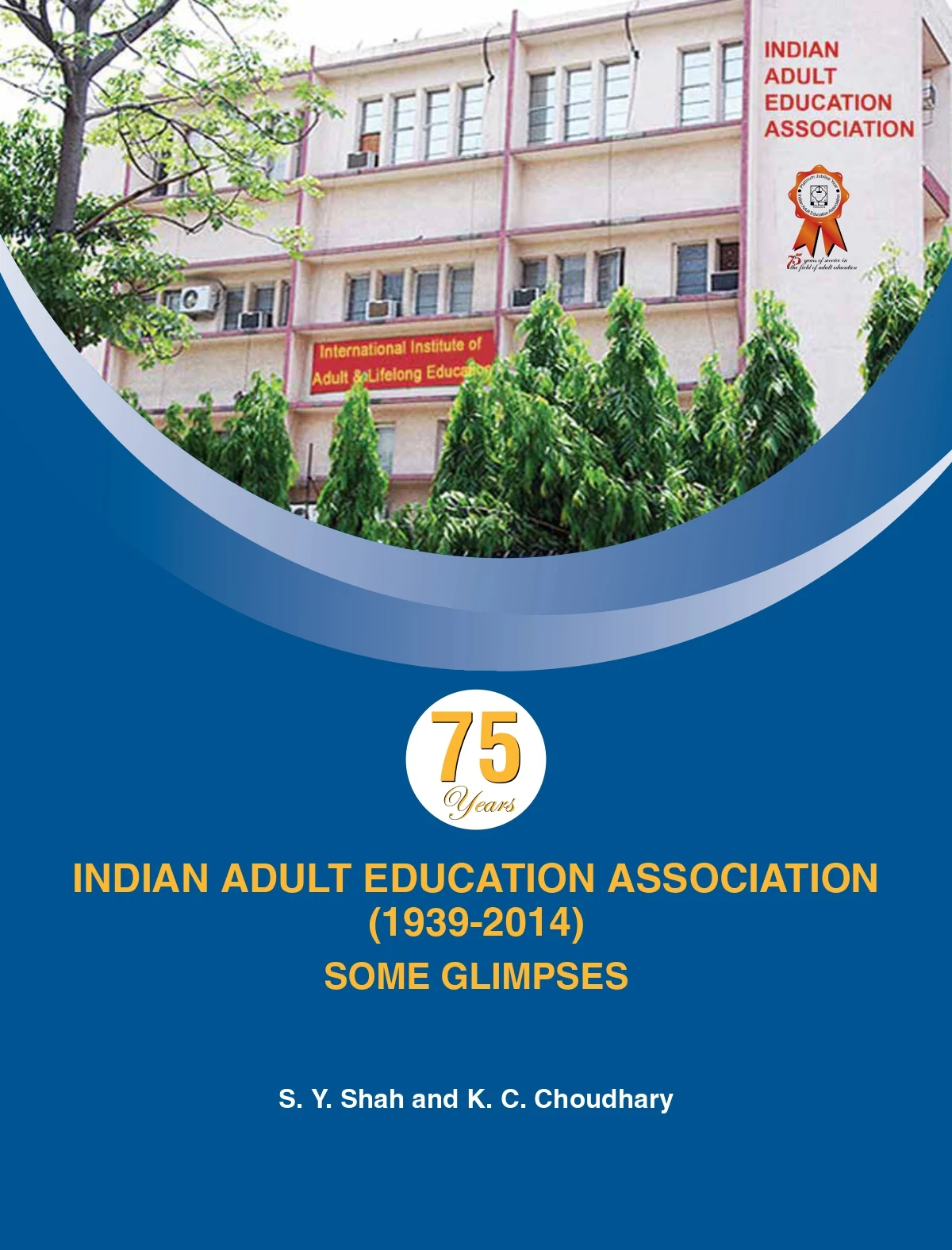
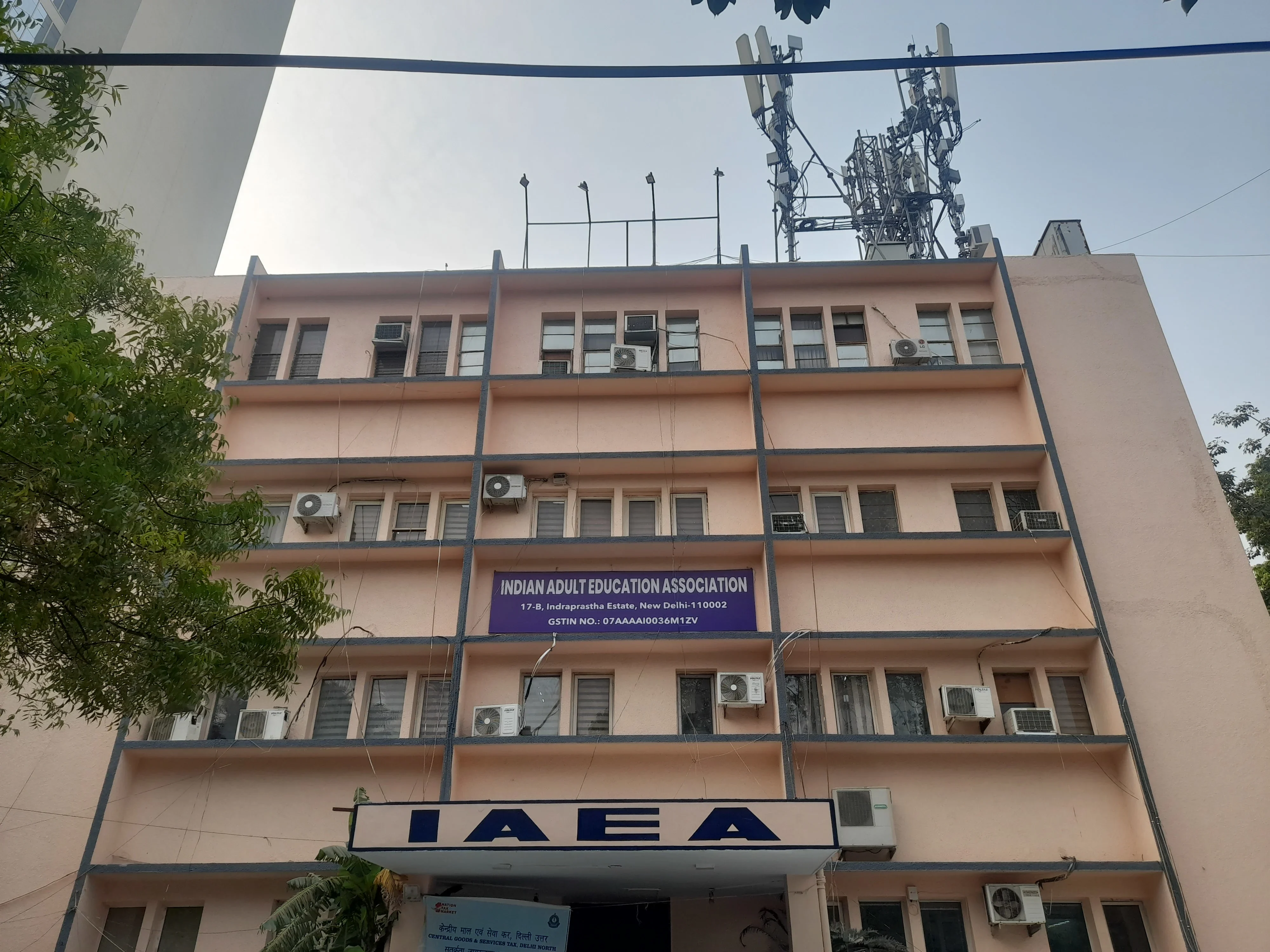
The Association has its own campus in Indraprastha Estate, with the foundation stone being laid in the august presence of the then Prime Minister of India on April 2, 1957. The campus was officially inaugurated on April 26, 1961.

Click To Read
Video Thumbnail
Short film about IAEA

IAEA BROCHURE - 2024

Technical Consultation on “Productive Ageing: Challenges and Opportunities for Senior Citizens.
K. C. Choudhary Memorial Fellowship - Application Invited (Last date Extended)
28/02/2026

Our Vision

  • To spread knowledge among the people of India on all subjects related to their all round development, welfare and culture in a popular and attractive manner through suitable agencies.
  • To initiate wherever necessary adult education activities in cooperation with various organizations and individuals interested in the work, and to encourage and coordinate local efforts and collaborate with organizations engaged in promoting the cause of adult education.
  • To serve as a "Clearing House" for exchange of ideas, information and advice concerning adult education in different States of India.
  • To cooperate with campaigns and movements aiming at the removal of illiteracy and ignorance and promotion of the civic, economic and cultural interests of the people
  • To serve as a connecting link for Inter-State cooperation and coordination
  • To prepare and supply, if necessary, slides, charts, films, booklets, suitable literature etc, and to undertake the publication of bulletins and journals.
  • To arrange public lectures, demonstration, seminars, etc. for furtherance of the object of the Association
  • To organize All Indian Adult Education Conferences and other meetings in furtherance of the objects.
  • To encourage and prepare Universities and other educational bodies in the country to take up adult education work and to do all other acts that is incidental to the fulfillment of the above mentioned aims and objects of the Association.

Our Mission

  • With unflinching faith in the effective participation of every citizen in social, economic, religious and political life of the country and consequent thereto the imperative need for every citizen to have access to the expanding realms of knowledge through adult, non-formal and lifelong education, committed to work towards raising the literacy level in its overall bid to safeguard the interests of IAEA is the non-literates, down-trodden and deprived sections of population so as to enable them to take their rightful place in society.
testimonial-png

"Our children are our greatest treasure They are our future Those who abuse them tear at the fabric of our society and weaken our nation"

"Literacy gives greater freedom to participate in society more actively"

"For me, getting primary education was a dream. My election proves that the poor in India can dream and make them come true."

"Every person, every institution and every organisation should work with a single aim. And that should be, "Whatever I will do, I must do it for a Viksit Bharat@2047"

"It is always true today's youngsters are tomorrow's citizens. But it is equally true that the quality of the future citizens depends on today's elders, teachers and the type of education they receive"